When Is a Leaking Roof an Emergency
When is a leaking roof an emergency? BST Roofers calls it one the moment water is actively coming in, a ceiling stain is spreading, or rain is entering during a storm. A slow, old drip or a stain that hasn't moved in months can usually wait for a scheduled inspection.

The signs that mean call us tonight
Each one points to active water intrusion, and every hour it continues adds damage.
- Active leak or dripping water indoors
- Sagging or bowing ceiling
- Water pooling on a flat or low-slope roof
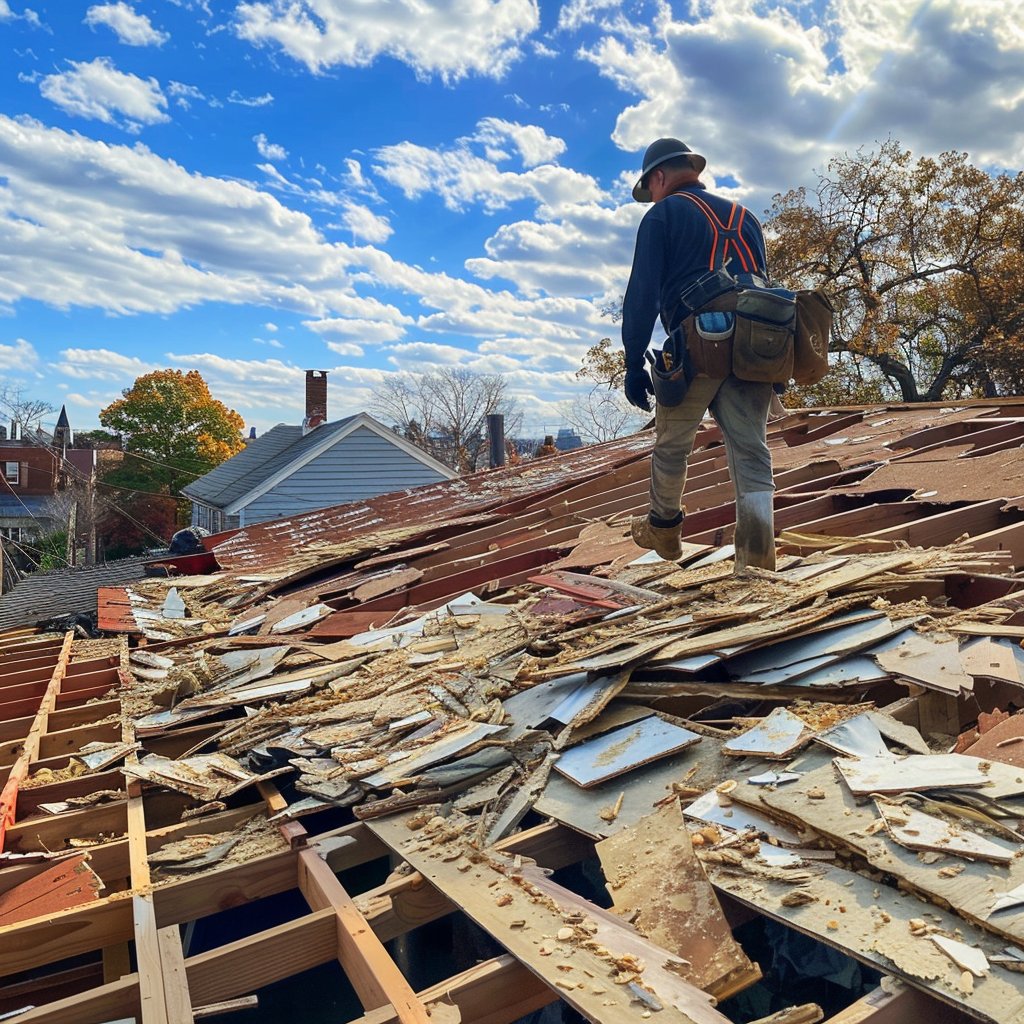
- Storm or wind damage with missing shingles
- Musty odor with a fresh stain
- Exposed roof boards or daylight through the deck
One of these is reason enough to call.
What doesn't need a midnight call
A small ceiling stain that isn't growing, granules collecting in your gutters, a slight bump in your utility bill, or a few worn shingles with no active drip can wait for daylight. Book an inspection and we will assess the roof properly instead of working by flashlight, flat and low-slope roofs included. Handled within the week, it stays a small job.
Why waiting costs more than the roof itself
Storm damage often hides broken decking under a small-looking surface, which is why a full storm damage inspection matters before anyone calls it a simple patch.
From your call to a dry roof
Three steps, in this order, every time.
Rapid response & leak detection
We locate the entry point first, not just the wet spot below it, so the repair addresses the actual source.
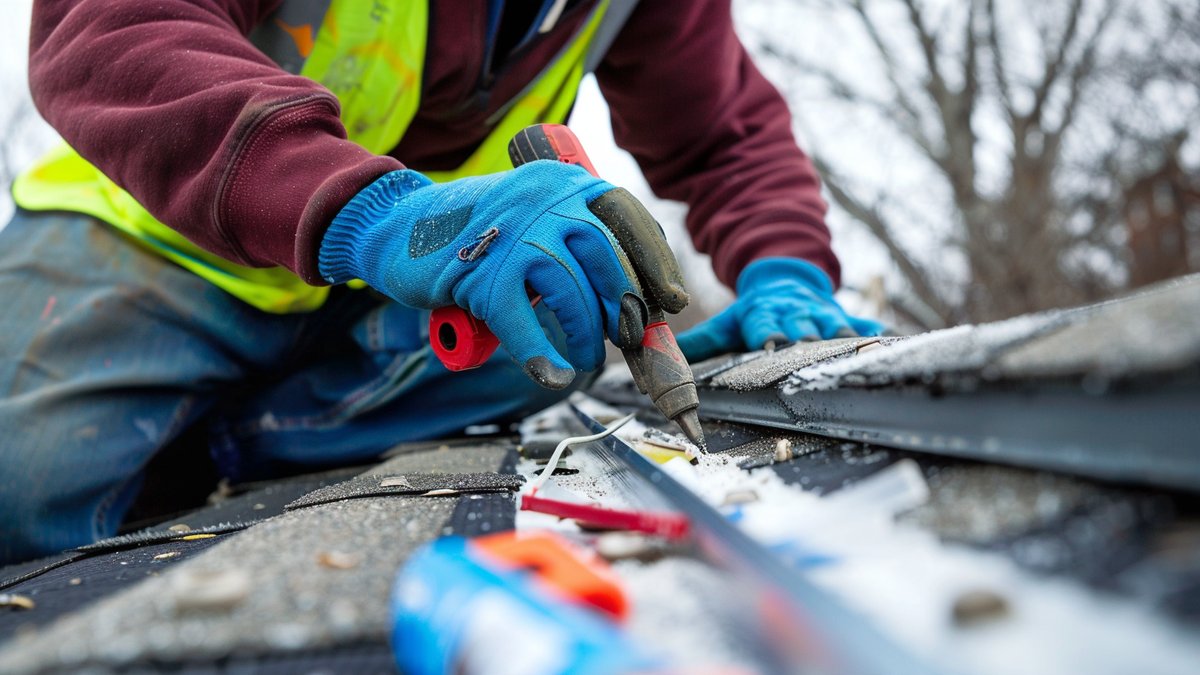
Same-day tarp or patch
A same-day tarp or temporary patch stops water intrusion while we plan the permanent fix.
Permanent repair
Once the roof is stable, we complete the repair, backed by our warranty and done by licensed, insured roofers.
If you need to act before we arrive, our leak emergency guide covers what to do in the meantime.