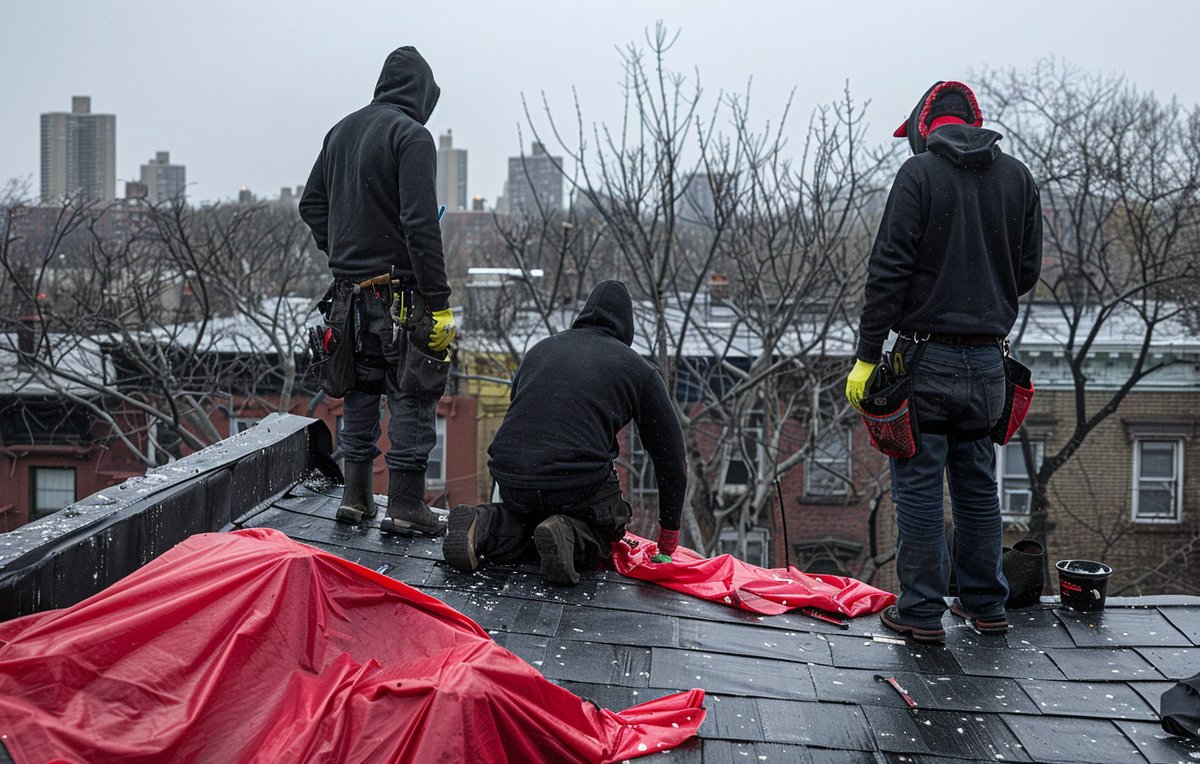
Low Pitched Roof Extension in Brooklyn, NY
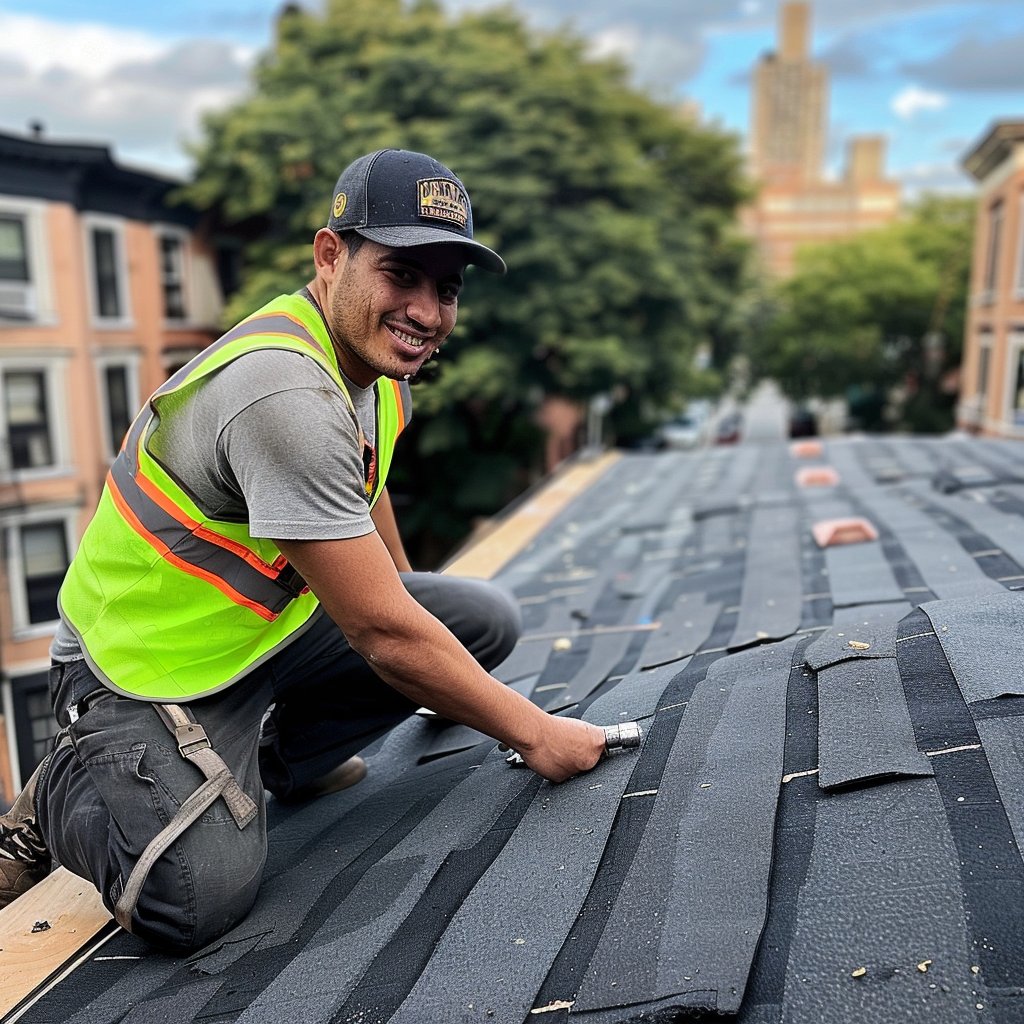
Low pitched roof extension work is what BST Roofers builds and ties in when you add a rear addition, a second story, or a roof over a garage on your Brooklyn home. We frame the tie-in, flash the joint, and set the slope so the new roof sheds water from day one, licensed and insured and backed by a warranty.

Why homeowners add a low pitched extension
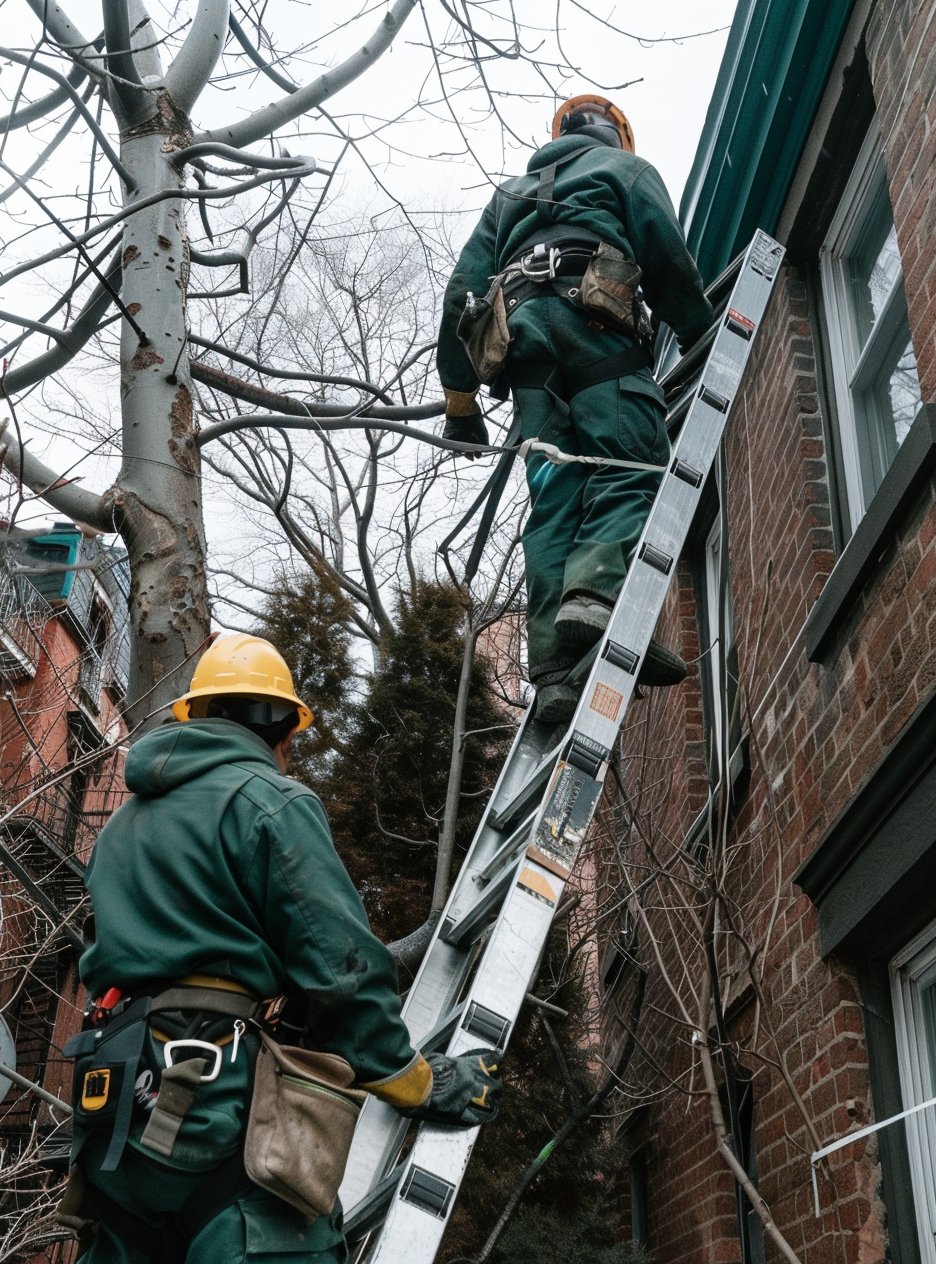
A rear, side, or second-story addition adds real square footage, and a low pitched roof over that new space keeps the roofline from fighting with the original house.
It sits lower and flatter on purpose, so it reads as part of the home instead of a box bolted onto it. A garage roof extension uses the same shallow pitch to add storage or a small room above without raising the whole structure.
- Added living space
- A flatter roof over a new room
- A roofline that matches
How a low pitched extension actually gets built
Framing, slope, and water all need to agree before a membrane goes down.
-
01
Design and slope check
We confirm the pitch meets the minimum slope requirement first, so water runs off instead of sitting.
-
02
Structural tie-in framing
The new framing ties into the existing structure next, so both roofs carry load as engineered.
-
03
Flashing and membrane at the joint
The seam where old meets new gets flashed and waterproofed before anything else goes down.
-
04
Drainage set against ponding
Slope and drains get planned together, not added after the roof is down, so ponding never gets a chance to start.
Getting the tie-in and flashing right
The joint between your existing roof and the new extension is where a low pitched roof extension fails first, if it fails at all.
Framing can be perfect and the membrane will still leak if the flashing was rushed or a lap was not sealed.
A tie-in that leaks later usually shows a stain right along the seam line, a repair we see often on older additions.

Three things we get right where old meets new
-
 01Flashing detail at the joint
-
02Membrane lap sealed and inspected
-
03Drainage slope carried through the seam
Built for Brooklyn's attached homes
Brooklyn's housing stock is mostly attached or semi-attached, and a roof extension has to fit the structure it joins, not fight it.
Single-family homes
Full flexibility on rear or second-story additions.
Townhouses & row houses
Tie-ins built around shared walls and tight lot lines.
Duplexes
Framing and flashing planned around two living units.
Brownstones
Extensions matched to older framing and existing rooflines.
A concrete roof deck changes the tie-in enough that it is worth reading about concrete roof replacement first.

Permits, code and what's included
Every low pitched roof extension we build goes through the same checks.
- Building department approval before and after the work
- Code compliant tie-in and slope, verified on site
- Licensed and insured crew on every job
- Workmanship warranty on the finished roof
If the existing low-slope roof is too far gone to tie into safely, we will say so before framing starts. That is closer to a low slope roof replacement than an extension.
Does my extension need a minimum slope?
Yes. Every low pitched roof needs enough slope to shed water, even where it reads as nearly flat. We set that during design so it meets code and drains from the first rain.
Will you handle the permit and inspection?
Yes. We prepare the building department paperwork and coordinate inspections at each stage, so the tie-in is approved and on record.
How do you tie new roofing into the old one without leaks?
We flash the joint first, then lap and seal the membrane across the seam, which keeps that point from becoming where water gets in.
What affects the cost?
Extension size, membrane type, and tie-in complexity move the number. We will walk your property before quoting.
Get your free estimate
Ready to add the space and get the tie-in done right the first time? Call us at (929) 295-4523 or request a free estimate below.