Roof leak help · Open 24/7 · Brooklyn

When Is a Leaking Roof an Emergency

When is a leaking roof an emergency? BST Roofers calls it one the moment water is actively coming in, a ceiling stain is spreading, or rain is entering during a storm. A slow, old drip or a stain that hasn't moved in months can usually wait for a scheduled inspection.

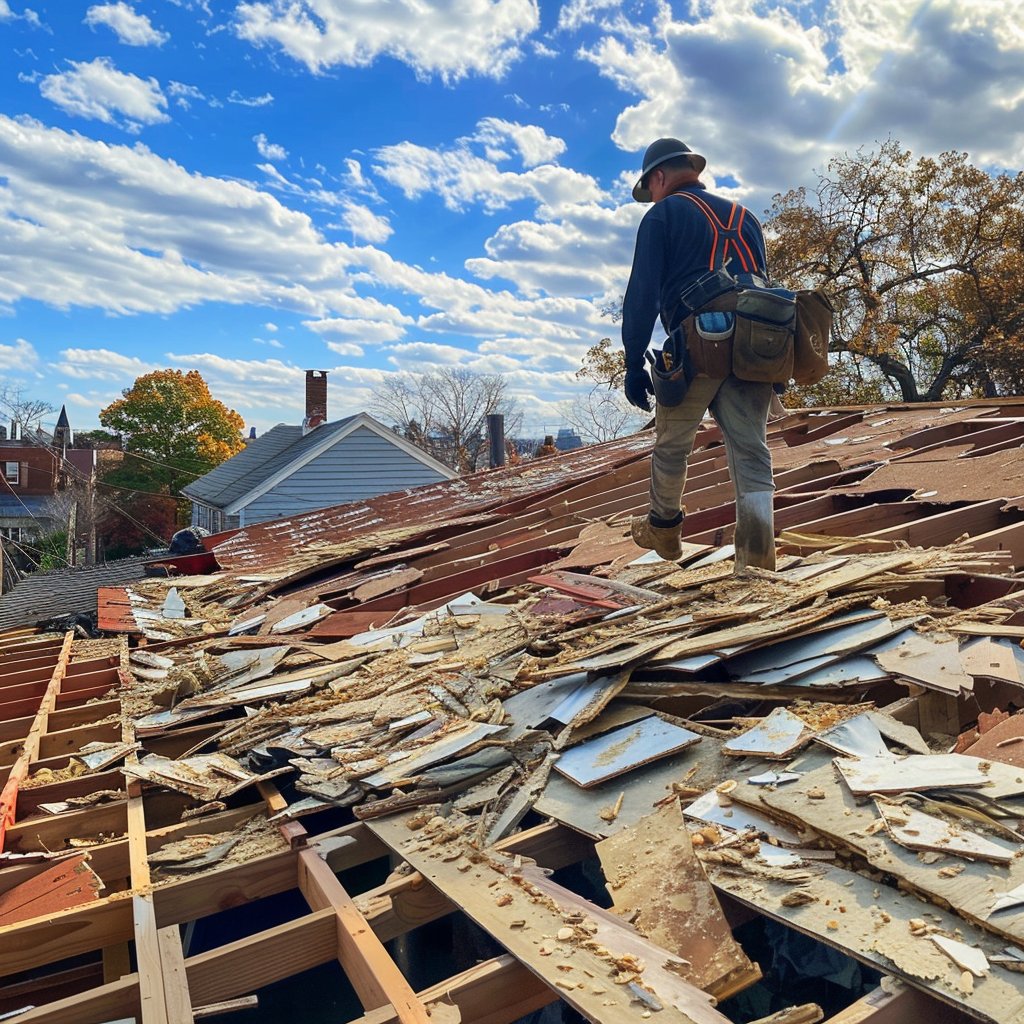
BST Roofers crew checking a leaking flat roof on a Brooklyn home during an emergency call
We come out at nightWater doesn't wait for business hours
Same-day tarpOr a temporary patch to stop the water
Licensed & insuredPermanent repair under warranty
Signs it's an emergency right now

The signs that mean call us tonight

Each one points to active water intrusion, and every hour it continues adds damage.

  • Active leak or dripping water indoors
  • Sagging or bowing ceiling
  • Water pooling on a flat or low-slope roof
  • Storm or wind damage with missing shingles
  • Musty odor with a fresh stain
  • Exposed roof boards or daylight through the deck

One of these is reason enough to call.
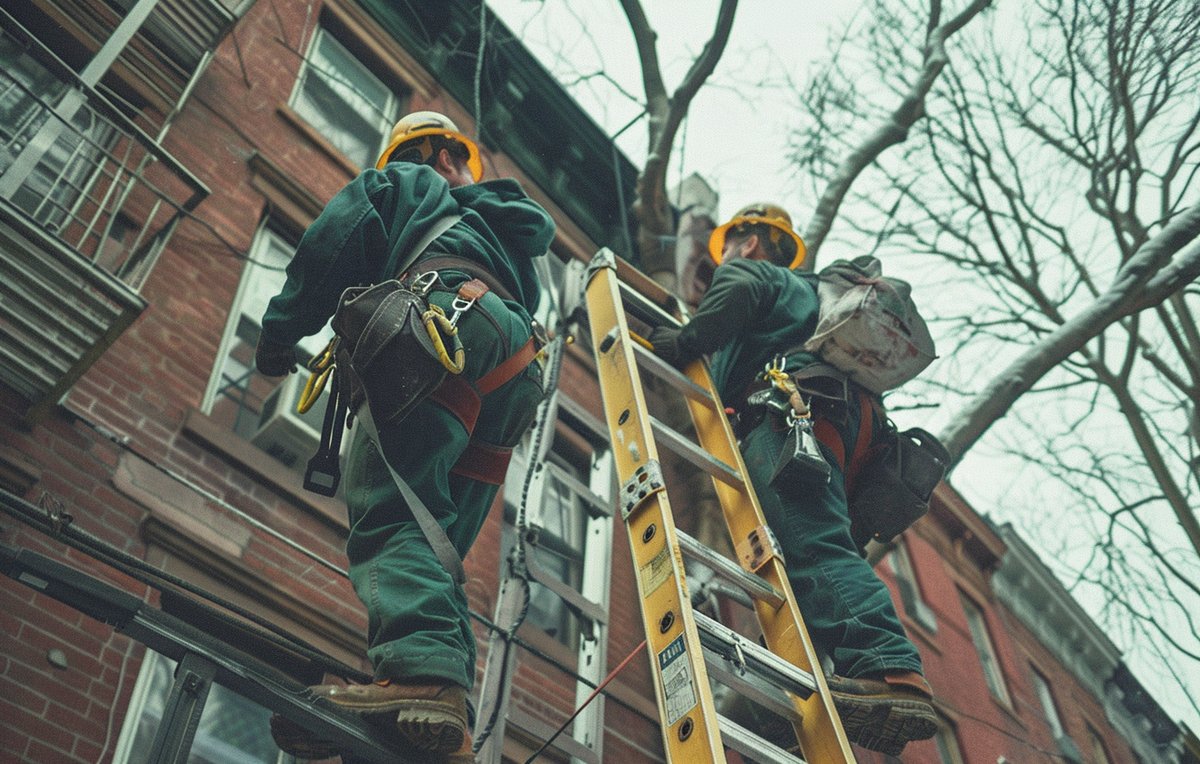
Water stain spreading across a ceiling below a leaking flat roof in a Brooklyn home
Close-up of storm-damaged roofing with missing shingles and exposed roof boards
Signs that can wait for a scheduled visit

What doesn't need a midnight call

A small ceiling stain that isn't growing, granules collecting in your gutters, a slight bump in your utility bill, or a few worn shingles with no active drip can wait for daylight. Book an inspection and we will assess the roof properly instead of working by flashlight, flat and low-slope roofs included. Handled within the week, it stays a small job.
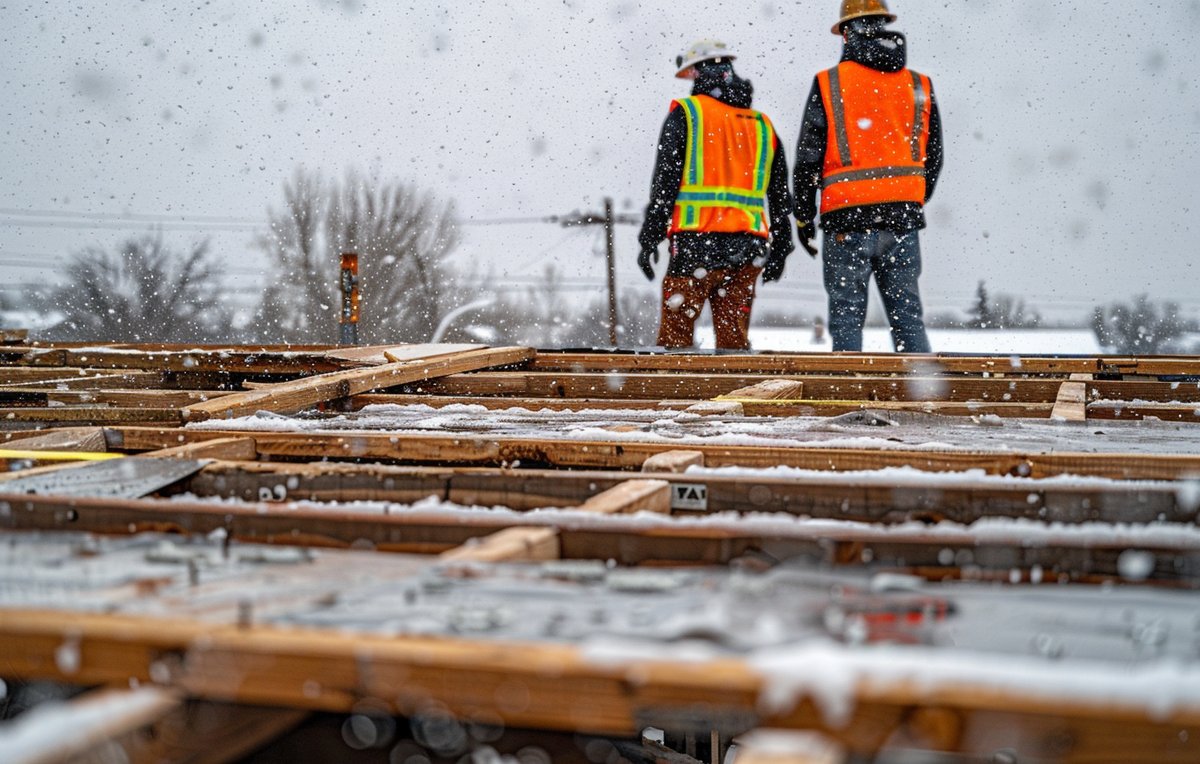
Water-damaged roof deck and framing exposed after a leak was left too long
Mold takes hold within days
What an ignored leak turns into

Why waiting costs more than the roof itself

Structural damageWater works into the deck and framing, and structural damage follows once the wood softens.
Insulation damageWet insulation stops doing its job and often needs replacing rather than drying out.
Mold riskMold takes hold within days of water getting in.
Electrical hazardWhere water reaches wiring, it becomes an electrical hazard too.

Storm damage often hides broken decking under a small-looking surface, which is why a full storm damage inspection matters before anyone calls it a simple patch.
What happens when you call us

From your call to a dry roof

Three steps, in this order, every time.

01

Rapid response & leak detection

We locate the entry point first, not just the wet spot below it, so the repair addresses the actual source.

02

Same-day tarp or patch

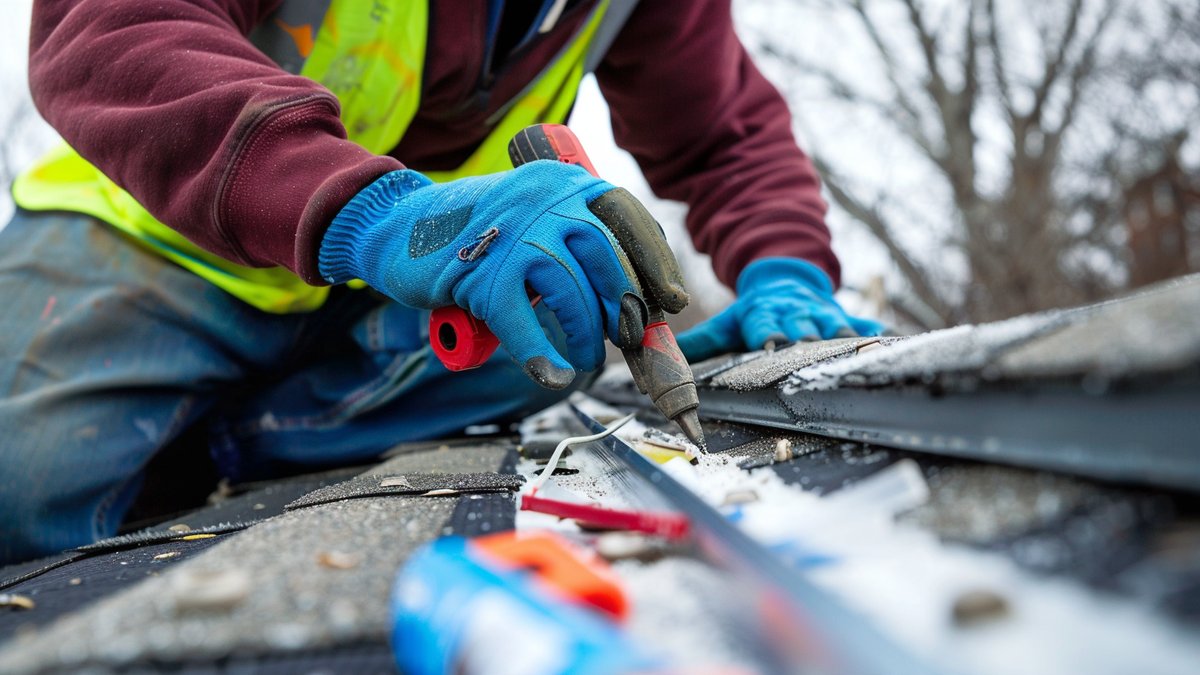
A same-day tarp or temporary patch stops water intrusion while we plan the permanent fix.

03

Permanent repair

Once the roof is stable, we complete the repair, backed by our warranty and done by licensed, insured roofers.

If you need to act before we arrive, our leak emergency guide covers what to do in the meantime.

Emergency leak FAQ

Answers before you dial

Open 24/7(929) 295-4523
Do you come out at night?
Yes. Water does not wait for business hours, and neither do we.
What if it's storm damage?
We respond the same way, then follow up with a proper assessment once the roof is stabilized. Wind and hail damage often needs more than a patch, and we will tell you honestly if that's the case.
Will a tarp really hold?
Installed correctly, it holds through rain and wind until we complete the permanent repair. It is a stop-gap, not a fix.
Do you inspect flat and low-slope roofs the same way?
No. They shed water differently than pitched roofs, so we check drainage and ponding points specifically.
Water coming in right now?

Call (929) 295-4523 or get a free estimate and we will take it from there.